Anion Gap Calculator for Evaluating Electrolyte Abnormality
What the anion gap means and why it matters
The anion gap is a derived value that helps clinicians interpret serum electrolytes and narrow the differential diagnosis of metabolic acidosis. It reflects the difference between measured positive and negative particles in blood, offering a useful snapshot of acid-base balance and overall electrolyte imbalance.
Although the anion gap is not a direct measurement, it has significant clinical significance because it can indicate hidden acids in the bloodstream, missed electrolyte shifts, or broader systemic causes of illness. In practice, it is often used as part of a larger evaluation that includes the electrolyte panel, serum chemistry, and additional tests when an abnormal result appears.
An elevated or low anion gap can help confirm the diagnosis of an acid-base disorder, especially when symptoms, history, and laboratory values indicate a metabolic problem. A carefully built anion gap calculator can make easier the calculation and help clinicians focus on interpretation rather than arithmetic.
Using an anion gap calculator
An anion gap calculator relies on three core laboratory values: serum sodium, serum chloride, and serum bicarbonate. These values are typically reported on an electrolyte panel and can be entered into a calculator for rapid review.
The process is straightforward. Enter the sodium value, then the chloride and bicarbonate values from the same blood sample. The calculator performs the calculation and returns the anion gap, which can then be compared with the expected reference range. That comparison is the first step in interpretation.
Since laboratory methods may vary a bit, the exact output may vary by institution. For this reason the calculator should be used as a tool for screening and patient assessment, not as a standalone diagnosis. If the result is unexpected, review the source numbers for transcription errors, then consider whether other factors such as low albumin or mixed disorders may be influencing the result.
- Step 1: Confirm the correct serum sodium, serum chloride, and serum bicarbonate values.
- Step 2: Use the anion gap calculator.
- Step 3: Review the result with the local reference range.
- Step 4: Interpret the output for evaluation of possible metabolic acidosis or other acid-base patterns.
- Step 5: If needed, obtain follow-up testing such as an arterial blood gas or lactate level.
Anion gap formula and normal range
The classic anion gap formula is:
Anion gap = sodium - (chloride + bicarbonate)
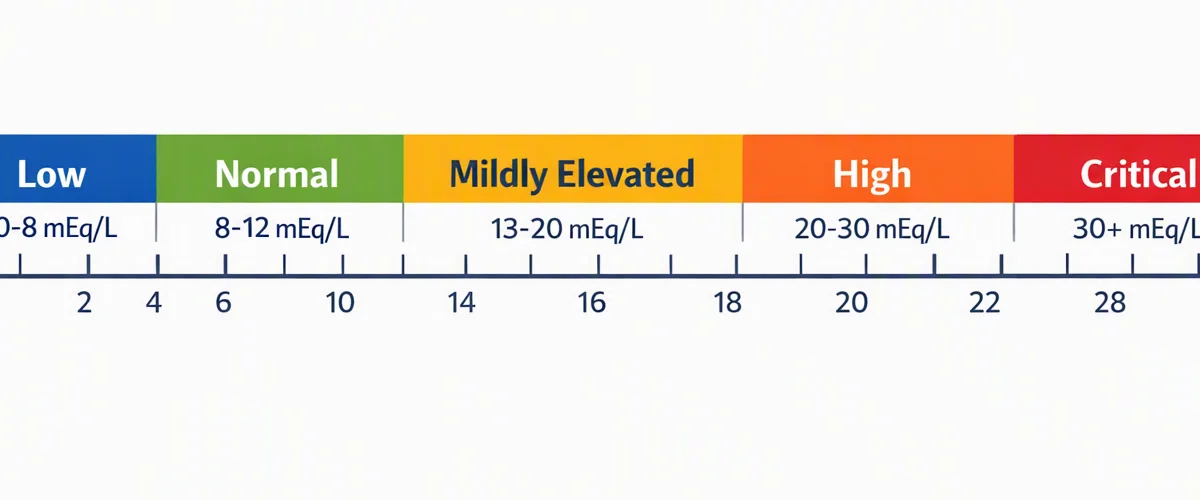
This basic formula calculates unmeasured ions in the blood. Typically, the result is interpreted with the normal anion gap range, which can change depending on the laboratory assay and whether potassium is included. A lot of clinicians use the sodium-based formula above because it is widely reported and easy to apply.
Albumin is important because it is one of the main unmeasured anions in plasma. If albumin is low, the measured anion gap may seem falsely normal or only mildly elevated even when clinically important acids are present. That is why understanding the patient's full chemistry profile is essential for accurate interpretation.
As a practical matter, the calculator should be viewed as a decision-support tool that helps with clinical significance, not a replacement for reasoning about laboratory values. A result inside the usual range does not always exclude disease, and a result outside the range does not automatically confirm a single cause.
Elevated anion gap versus normal anion gap disorders
The result, whether high or normal, helps separate two broad categories of electrolyte disturbance. High anion gap metabolic acidosis occurs when unmeasured acids accumulate, while normal anion gap metabolic acidosis typically indicates bicarbonate loss or chloride gain with preservation of the overall gap.
This distinction is central to the differential diagnosis of metabolic acidosis. With a high-gap disorder, the blood contains additional acid anions that are not directly measured in the basic electrolyte panel. In cases of normal anion gap acidosis, the problem is often more about replacement of bicarbonate with chloride, leading to hyperchloremia rather than a widened gap.
Both forms represent an acid-base disorder, but they point toward different systemic causes and different potential next steps in evaluation. The calculator can therefore be used as an early branch point in clinical reasoning.
- High anion gap metabolic acidosis: implies unmeasured acids are present.
- Normal anion gap metabolic acidosis: indicates bicarbonate loss or chloride retention.
- Mixed disorders: can mask the expected pattern and require broader interpretation.
Frequent causes of high anion gap
Various key conditions can increase the anion gap. Of the most common are lactic acidosis, ketoacidosis, and renal failure. Such problems raise unmeasured acids in the bloodstream and are commonly associated with clinically significant acid-base acidosis.
Lactate buildup occurs when lactate accumulates due to poor tissue oxygen delivery, shock states, severe infection, or other causes of impaired metabolism. It is a important consideration when a patient has an elevated anion gap and appears critically unwell.
Ketone-related acidosis can occur in diabetes, prolonged fasting, alcoholism, or other catabolic states. Ketone bodies are unmeasured anions that increase the gap and often produce a clear acid-base disturbance on the electrolyte panel.
Kidney failure can also cause accumulation of organic acids and impaired acid excretion. As kidney function declines, the body loses the ability to maintain normal acid-base balance, and the anion gap may rise.
Additional causes can include severe intoxications, but the main clinical approach is to ask whether the elevated gap reflects excess acid production, impaired acid clearance, or both. That is where the calculator becomes especially helpful for fast screening and organized interpretation.
Typical causes of normal anion gap acidosis
Normal anion gap metabolic acidosis is commonly caused by loss of bicarbonate or failure to reclaim bicarbonate in the kidney. A common cause is diarrhea, where bicarbonate is removed by the gastrointestinal tract. This can produce a low bicarbonate level with a relatively unchanged anion gap.
Renal tubular acidosis is also an important cause. In this condition, the kidneys cannot properly lower urine acidity or reabsorb bicarbonate, leading to a persistent acid-base disorder. The anion gap may remain normal even when the patient has clear metabolic acidosis.
Hyperchloremia often accompanies these disorders because chloride rises to maintain electrical neutrality as bicarbonate falls. For this reason normal gap acidosis is sometimes called hyperchloremic metabolic acidosis.
In clinical practice, this pattern matters because the causes and the workup differ from those of high gap acidosis. The result from the calculator should prompt careful assessment of hydration status, medication exposure, kidney function, and gastrointestinal losses.
How albumin changes the anion gap
Albumin is a major unmeasured anion, so low levels can greatly affect the observed anion gap. In hypoalbuminemia, the anion gap may seem lower than expected even when the patient has a significant acid-base problem. This can lead to failure to recognize of high gap states if the result is assessed without adjustment.
That is why albumin correction is often https://privatebin.net/?475b9721f5cb6fba#BwUfMoT2dz2WrFqyBQS1UU74ejYXvHNM62fMHH9cRcoe recommended when albumin is abnormal. The goal is to derive a more accurate corrected anion gap that more closely reflects the true acid burden. The corrected value can move a borderline result into a more clinically relevant range.
Using an albumin-corrected anion gap is especially valuable when the patient has a suspicious presentation but only a slightly elevated or even normal measured gap. In that setting, the corrected value may uncover a hidden high anion gap process.
Because hypoalbuminemia is common in acute and chronic illness, albumin adjustment improves interpretation and strengthens the overall evaluation. It helps clinicians prevent missing important disease when the measured chemistry picture appears deceptively reassuring.
Clinical interpretation and next steps
The anion gap is most valuable when used as part of a broader framework to acid-base disorder. If the gap is elevated, the next actions often include checking an arterial blood gas, measuring lactate, reviewing ketones, and assessing kidney function. If the gap is normal but bicarbonate is low, clinicians should think about bicarbonate loss, kidney tubular problems, or chloride gain.

In many cases, the best interpretation also includes the osmolar gap. A high osmolar gap together with an elevated anion gap can suggest ingestion of toxic alcohols, especially when the history is unclear. This combination is important because it can indicate a critical toxicologic emergency.
When the clinical picture is unclear, the anion gap calculator serves as a starting point for diagnosis and follow-up testing. It helps prioritize whether the case is more consistent with lactic acidosis, ketoacidosis, renal failure, diarrhea, renal tubular acidosis, or another cause of electrolyte imbalance.
Useful next steps may include:
- Repeat the results of the electrolyte panel if results do not match the clinical picture.
- Order an arterial blood gas to confirm the acid-base status.
- Measure albumin for albumin-corrected anion gap interpretation.
- Assess lactate or ketones when metabolic acidosis is suspected.
- Evaluate the osmolar gap if exposure to toxic alcohols is possible.
Overall, the calculator is most effective when used as part of thoughtful patient assessment rather than as a stand-alone number. The goal is not only to identify whether the result is abnormal, but also to understand what pattern of illness it suggests and what should happen next.
Frequently asked questions
What is an anion gap calculator used for?
An anion gap calculator is used to quickly perform the calculation from serum sodium, chloride, and bicarbonate values. It helps with screening and interpretation of an electrolyte panel, especially when evaluating metabolic acidosis and other forms of electrolyte disturbance.
What is the meaning of a elevated anion gap mean?
A high anion gap usually points to an accumulation of unmeasured acids in the blood. Typical causes include lactic acidosis, ketoacidosis, and renal failure. It is a important clue in the diagnosis of high anion gap metabolic acidosis.
What is the normal anion gap range?
The normal anion gap range depends on the laboratory method and whether potassium is included in the formula. Because reference ranges vary, the result should always be interpreted alongside the local laboratory's reference range for accurate interpretation.
What effect does low albumin affect the anion gap?
Low albumin lowers the measured anion gap because albumin is a major unmeasured anion. In hypoalbuminemia, the result may appear normal by mistake or only mildly elevated. An albumin correction can produce a more accurate corrected anion gap and aid clinical interpretation.
At what point should an elevated anion gap be investigated further?
An elevated anion gap should be investigated further whenever it is unexplained, persistent, or accompanied by signs of illness such as suspected metabolic acidosis, altered mental status, kidney dysfunction, or shock. Further workup may include an arterial blood gas, lactate, ketones, albumin, and assessment of the osmolar gap for possible toxic alcohols.