Anion Gap Calculator for Hyperchloremic Acidosis
What exactly is the Anion Gap?
The anion gap is a calculated value that assists in assessing the equilibrium between measured electrolytes in the blood. It is typically derived from sodium, chloride, and bicarbonate on a chemistry panel. Clinicians apply it to help sort out an acid-base disorder, especially when evaluating metabolic acidosis.
In basic terms, the anion gap represents the difference between positive and negatively charged ions in the serum. Because routine lab testing does not measure every ion, the gap reflects unmeasured anions such as proteins, phosphates, and organic acids. That is why the anion gap is such a helpful clue in serum chemistry and broader acid-base balance assessment.
A normal result suggests that the main issue may be related to a drop of bicarbonate or a elevation in chloride, rather than the buildup of an unmeasured acid. This is the core concept behind hyperchloremic acidosis and other forms of non-anion gap metabolic acidosis.
Typical calculation patterns depend on a standard blood chemistry panel and are interpreted in the context of the patient’s laboratory values, symptoms, and overall clinical diagnosis. Because reference intervals vary by laboratory, the exact meaning of the number depends on the local reference interval and the testing method used.
How the Anion Gap Calculator Operates
An anion gap calculator is a handy tool that relies on the anion gap formula to quickly assess whether the serum chemistry pattern suggests a normal gap or an elevated gap state. Most calculators use the same process:
Anion gap = sodium - (chloride + bicarbonate)
Some versions also use potassium:
Anion gap = sodium + potassium - (chloride + bicarbonate)
Because potassium contributes only a limited amount to the final value, many clinicians favor the sodium-only version for everyday interpretation. The key is consistency. If you use a calculator based on one formula, align the result to the appropriate reference interval for that formula.
The calculator typically accepts values from a basic metabolic panel and may be used alongside an arterial blood gas when the acid-base picture is uncertain. It helps calculate anion gap quickly so you can devote attention to metabolic acidosis evaluation rather than doing manual arithmetic each time.
For practical use, input the measured sodium, chloride, and bicarbonate. If the calculator includes potassium, determine whether your clinical workflow includes it routinely. The output should then be interpreted with the patient’s serum electrolytes, symptoms, and possible causes of electrolyte imbalance.
One important point: the calculator does not identify a disease by itself. It aids acid-base interpretation and helps narrow the differential, but it must be paired with history, exam findings, and sometimes repeat testing if results do not match the clinical picture.
Exploring Hyperchloremic Acidosis
Hyperchloremic acidosis is a form of non-anion gap metabolic acidosis where bicarbonate falls and chloride elevates to maintain electrical neutrality. This leads to a low bicarbonate level with relatively high chloride, while the anion gap remains normal. This is commonly referred to as normal anion gap metabolic acidosis.
The central mechanism is usually bicarbonate loss. When bicarbonate is lost from the body, chloride often increases in proportion, so the gap does not widen. For this reason a patient can have clear metabolic acidosis with a normal anion gap on a calculator.
This pattern matters because the cause is usually different from high-gap acidosis. Rather than lactate, ketoacids, or toxins, the problem often involves the gastrointestinal tract, kidneys, or chloride loading. Recognizing this pattern helps avoid missing treatable causes and improves acid-base balance management.
In hyperchloremic acidosis, the blood chemistry panel often shows:
- Low bicarbonate
- Increased chloride
- Unchanged or near-normal sodium
- Typical anion gap or only a slight shift depending on albumin level
When reviewing these values, remember that the apparent normality of the gap can be misleading if albumin is low or if there is a mixed disorder. It is useful to calculate, but it must be considered in the full clinical picture.
Causes of a Typical Anion Gap and High Chloride
Many conditions can cause a typical anion gap with elevated chloride. Most common causes involve reduction of bicarbonate or chloride gain. Knowing these findings is essential to interpreting a serum electrolytes report accurately.
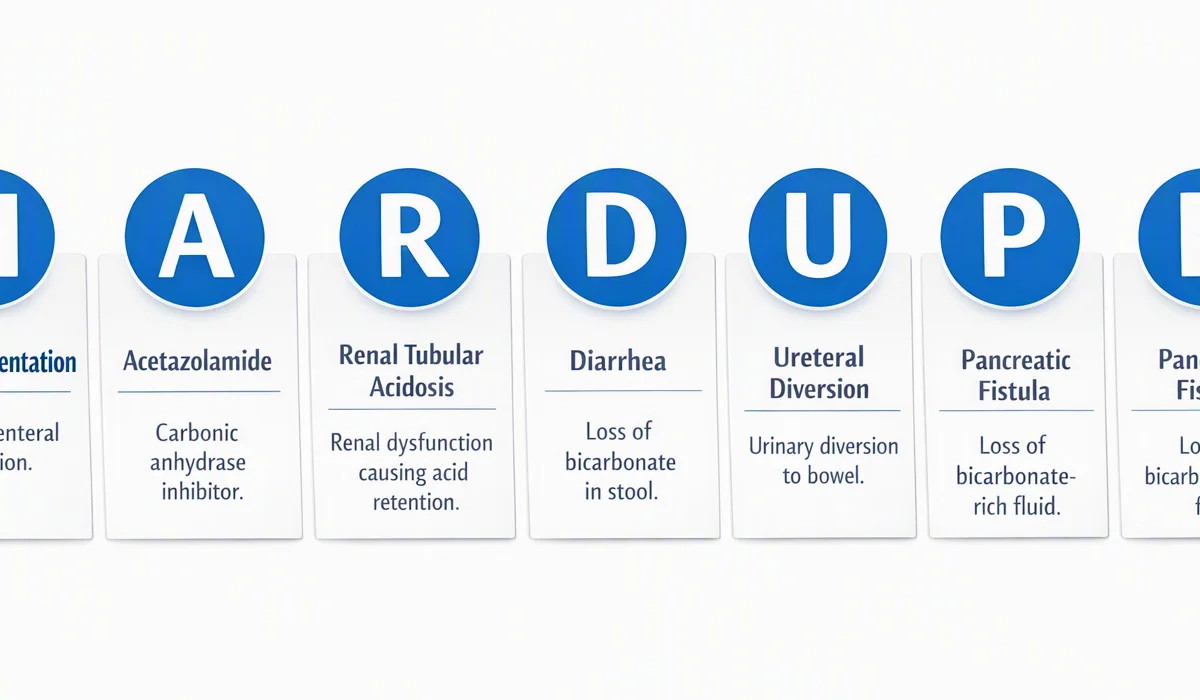
Diarrhea is a typical cause because the gastrointestinal tract can lose significant amounts of bicarbonate-rich fluid. This is often described as GI bicarbonate loss. When bicarbonate is lost, the body retains chloride compared with bicarbonate, leading to a normal anion gap and reduced bicarbonate.
Renal tubular acidosis is another major cause. In this condition, the kidneys fail to manage acid or bicarbonate properly. The result is an acid-base disturbance with low bicarbonate and often elevated chloride. Depending on the subtype, kidney function may otherwise appear intact, which is why laboratory interpretation must be cautious and systematic.
Saline infusion can also produce hyperchloremic acidosis, especially after substantial amounts of chloride-rich fluid. This iatrogenic cause is frequent in hospitalized patients and may show a downward trend in bicarbonate after resuscitation. The issue is not acid accumulation but a chloride shift that changes the serum chemistry pattern.
Other possible causes can include pancreatic or biliary losses, fistulas, certain medications, and post-treatment states. But for practical purposes, the primary calculations and clinical reviews should start with diarrhea, renal tubular acidosis, and saline infusion as leading explanations.
When the cause is unclear, use the anion gap calculator alongside the history, volume status, urine studies when indicated, and the rest of the blood chemistry panel. That approach enhances the chance of making the appropriate clinical diagnosis.
How to Interpret Results
Correct acid-base interpretation begins with the measured numbers: serum bicarbonate, serum chloride, and sodium. A low bicarbonate with a concurrent rise in chloride suggests hyperchloremic acidosis. If the anion gap remains within the lab reference range, the pattern is consistent with non-anion gap metabolic acidosis.
Interpretation should be systematic:
- Review the serum bicarbonate measurement
- Contrast the serum chloride measurement to the lab reference range
- Calculate the anion gap
- Make sure whether the pattern shows a normal or elevated gap
- Consider whether the result corresponds to the clinical setting
A low bicarbonate alone does not tell you the whole story. A low bicarbonate with high chloride and a normal gap strongly suggests a normal anion gap process. But if the https://anion-gap-calculation.com/special-populations/pediatric.html anion gap is unexpectedly high, the patient may have more than one problem at once.
This is where the broader context matters. An arterial blood gas can help confirm the acidemia and show whether respiratory compensation is present. The combination of the blood gas and chemistry panel is often more revealing than either test alone.
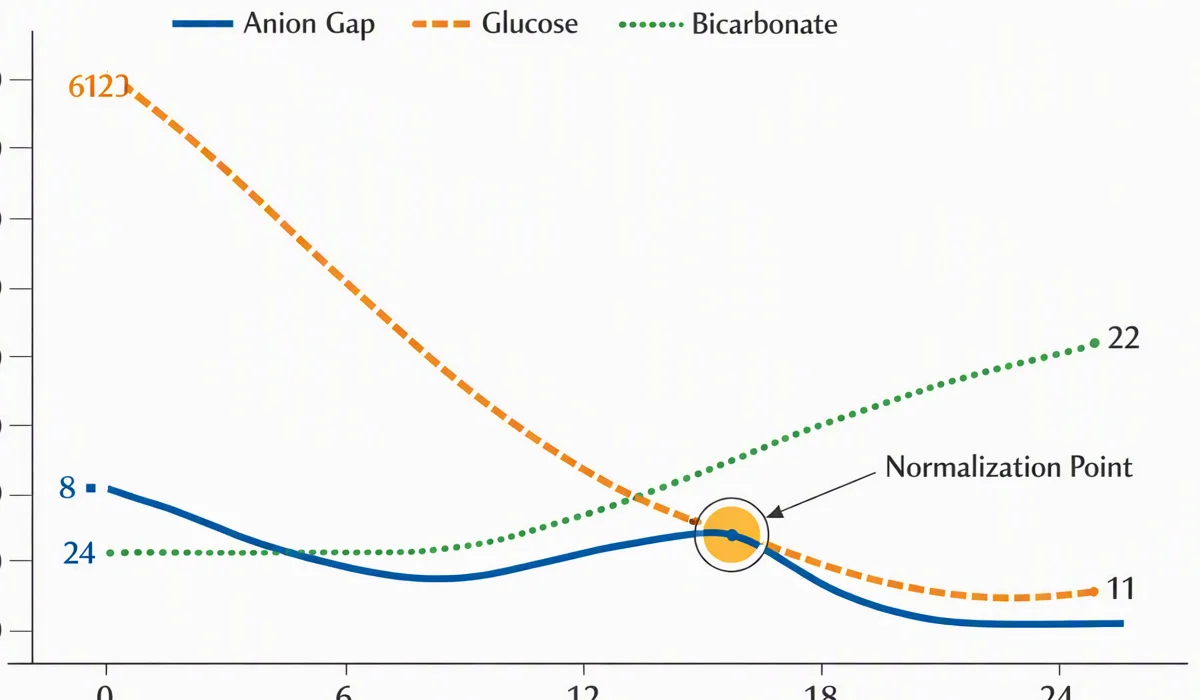
Be careful when the result is borderline. Small shifts in serum electrolytes can move the number across the cutoff, especially when there is lab variability. Follow the trend, not just a single data point, and always relate the number to the patient’s condition.
Anion Gap vs Delta Interval vs Adjusted Anion Gap
Once you identify an abnormal acid-base pattern, it is useful to distinguish the basic anion gap from the delta gap and the corrected anion gap. These tools assist in determining whether there is a mixed acid-base disorder.
The delta gap compares the elevation in anion gap to the decrease in bicarbonate. It is especially useful when the anion gap is elevated, because it can suggest whether a second process is also present. For example, a patient may have high-gap metabolic acidosis plus an additional non-gap acidosis from GI bicarbonate loss or renal causes.
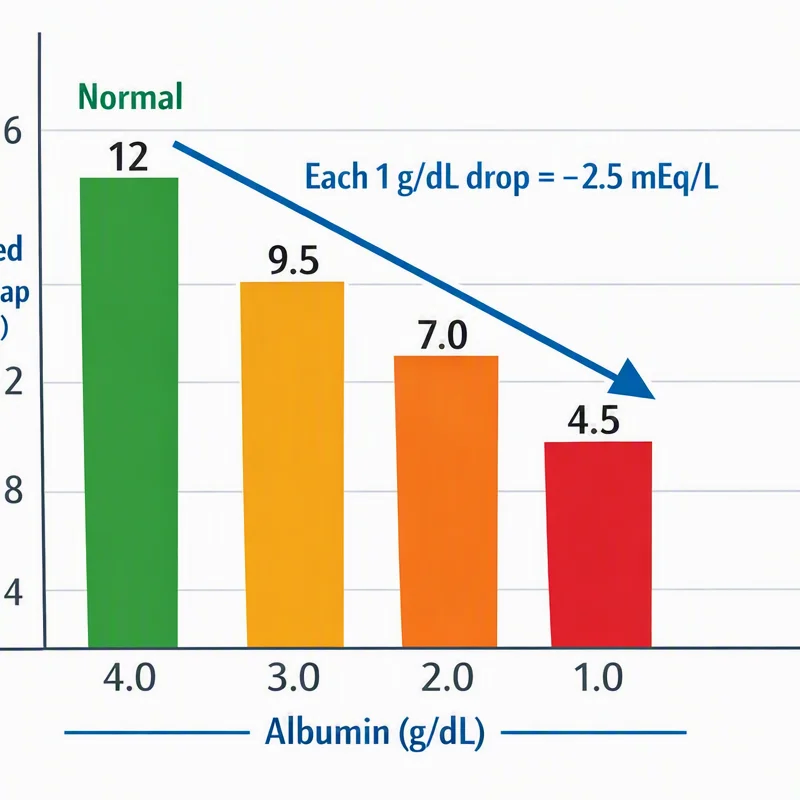
The corrected anion gap recalculates the result for albumin, which is one of the major unmeasured anions in serum. If albumin is low, the measured anion gap may look falsely normal. This becomes significant because a patient with true metabolic acidosis may otherwise look to have a benign result on the calculator.
In practical terms:
- Use the basic calculator to identify the initial pattern
- Apply albumin correction when albumin is abnormal
- Apply the delta gap when the gap is elevated and a mixed disorder is possible
These tools improve the accuracy of acid-base interpretation. They are not competing methods; they address different questions. The basic calculator tells you whether the anion gap is high, normal, or low. The correction methods help you see whether the result matches the true physiology.
When the numbers do not match the clinical picture, think about a mixed disorder. A patient can have high-gap acidosis and non-gap acidosis at the same time, which is why reading the chemistry panel in isolation can be misleading.
When You Should Use an Anion Gap Calculator
An anion gap calculator is particularly useful whenever metabolic acidosis is being evaluated or verified. If the bicarbonate is low on a basic metabolic panel, the calculator helps separate non-anion gap metabolic acidosis from elevated-gap causes.
Use it during routine review of an electrolyte panel when you see:
- Low bicarbonate
- Increased chloride
- Uncertain acid-base disorder
- Potential kidney function concerns
- Symptoms that require a more detailed clinical assessment
It is also useful when interpreting an arterial blood gas that shows acidemia, especially if the cause is unclear. The calculator can support a faster metabolic acidosis evaluation by pointing toward or away from hyperchloremic acidosis.
In a patient with diarrhea, after large-volume saline infusion, or with suspected renal tubular acidosis, a quick calculation can confirm the pattern. That can direct next steps such as fluid choice, additional laboratory testing, or targeted treatment.
In short, use the calculator whenever you need to calculate anion gap as part of a real-world bedside or laboratory review. It is most helpful when the result is interpreted immediately in the context of the rest of the serum chemistry and the patient’s presentation.
Frequent Errors & Caveats
Although the anion gap calculator is easy to use, several pitfalls can lead to miscalculations. A typical mistake is forgetting albumin correction. Low albumin can obscure an elevated gap, making a high-gap process look normal. That can slow the detection of important disease.
Another drawback is lab variability. Different analyzers and institutions may use slightly different methods and reference interval ranges. A number that looks normal in one setting may be borderline in another. Always interpret the result using the local range.
Measurement error can also be important. Tiny variations in sodium, chloride, or bicarbonate can change the calculated value, especially when the result is near the cutoff. Repeat testing may be helpful if the numbers do not match the clinical picture or if there is concern for sample handling issues.
Do not overlook clinical context. A normal gap does not automatically rule out serious illness, and an abnormal value does not establish the cause. The calculator is a tool, not a diagnosis. It should be considered together with the history, exam, serum chemistry, medication exposure, and other laboratory values.
One more pitfall is overlooking a mixed disorder. A patient can have hyperchloremic acidosis plus another acid-base process, so the numbers may be misinterpreted if viewed too simplistically. When in doubt, examine the full panel, compare with prior studies, and consider whether the pattern fits the expected physiology.
In the end, remember that chloride replacement from fluid therapy or medications can contribute to the pattern. If the cause is iatrogenic, correcting the input may improve the acid-base state more effectively than searching for a rare diagnosis.
FAQs
What counts as a normal anion gap?
A normal anion gap range depends on the laboratory and the formula used, but many references consider the sodium-based gap to be within a relatively narrow reference interval. The key point is to compare the result with the local lab reference range rather than relying on one universal number. A “normal” result does not always mean there is no acid-base problem; it may still indicate non-anion gap metabolic acidosis.
Why does hyperchloremic acidosis cause a normal anion gap?
In hyperchloremic acidosis, bicarbonate is lost or reduced, and chloride increases to preserve electrical neutrality. Because the drop in bicarbonate is offset by the rise in chloride, the anion gap often remains normal. That is why this condition is also called normal anion gap acidosis.
How do you calculate the anion gap?
To calculate anion gap, use the anion gap formula: sodium minus the sum of chloride and bicarbonate. Some versions include potassium, but many routine calculators do not. The result should be read with the lab’s reference interval and, when needed, with albumin correction.
When is it appropriate to albumin be used to correct the anion gap?
Use albumin correction when albumin is low or when the result seems inconsistent with the clinical picture. Because albumin is a major unmeasured anion, low levels can make the gap appear falsely normal. A corrected anion gap can reveal a hidden elevated-gap process in a patient who otherwise looks like they have a normal gap.
What are common causes of non-anion gap metabolic acidosis?
Common causes include diarrhea, renal tubular acidosis, and saline infusion. These conditions often involve GI bicarbonate loss, impaired renal acid handling, or chloride loading. They are classic causes of non-anion gap metabolic acidosis and should be considered when the chemistry panel shows low bicarbonate with high chloride.